
The gaming industry has seen a significant evolution in the types of games available, particularly in the realm of flight simulation and crash games. Among the various titles, “Flight Legends” and traditional crash games stand out as two distinct genres that cater to different gaming experiences. This report delves into the differences between these two categories, examining gameplay mechanics, objectives, player engagement, and overall experiences.
Firstly, the gameplay mechanics in “Flight Legends” are designed to simulate realistic flight experiences. Players often assume the role of pilots, navigating various aircraft through intricate landscapes and weather conditions. The controls are typically sophisticated, requiring players to master takeoff, navigation, and landing procedures. In contrast, traditional crash games emphasize destruction and chaos, where the primary objective is to cause as much damage as possible. These games often feature exaggerated physics, allowing players to crash vehicles into obstacles or each other, resulting in spectacular visual effects.
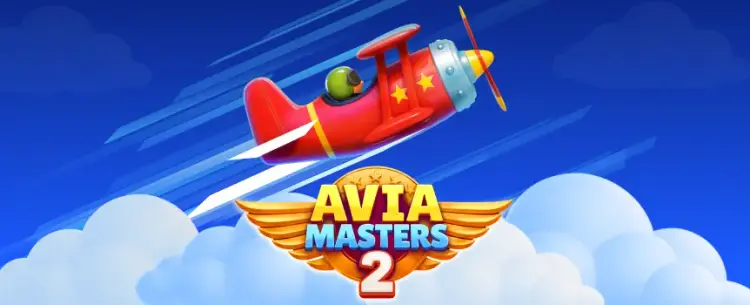
Secondly, the objectives of each game type differ significantly. In “Flight Legends,” players are usually tasked with completing missions that may include transporting cargo, performing aerial stunts, or engaging in dogfights with other players. These objectives often require strategic thinking and skillful execution, promoting a sense of accomplishment upon completion. On the other hand, traditional crash games focus on immediate gratification through destruction. The goals are often centered around achieving high scores by causing maximum damage within a limited timeframe, appealing to players who enjoy fast-paced, adrenaline-fueled gameplay.
Another notable difference lies in player engagement and community interaction. “Flight Legends” often fosters a community of aviation enthusiasts who appreciate the technical aspects of flying. Players may engage in forums or social media groups to share tips, strategies, and experiences, creating a supportive environment for learning and improvement. Conversely, traditional crash games tend to attract a more casual audience who may prioritize entertainment over technical skill. The community around these games often revolves around sharing outrageous crash videos or competing for high scores, leading to a more laid-back interaction among players.
Furthermore, the visual and auditory experiences in both genres also differ. “Flight Legends” often features realistic graphics and sound design that aim to immerse players in a lifelike flying experience. The attention to detail in aircraft design and environmental elements enhances the overall authenticity of the game. In contrast, traditional crash games prioritize vibrant graphics and exaggerated sound effects that amplify the chaos of destruction. The focus is on creating a visually stimulating experience that captivates players and keeps them engaged through constant action.
In conclusion, while both “Flight Legends” and traditional crash games offer unique gaming experiences, they cater to different player preferences. “Flight Legends” provides an immersive simulation of flying that appeals to those who enjoy realism and skill-based challenges. In contrast, traditional crash games deliver high-octane entertainment centered around chaos and destruction. Understanding these differences can help players choose the genre that best aligns with their gaming style, ultimately enhancing their overall experience in the diverse world of video games.